RECENT SELECTED COURSES
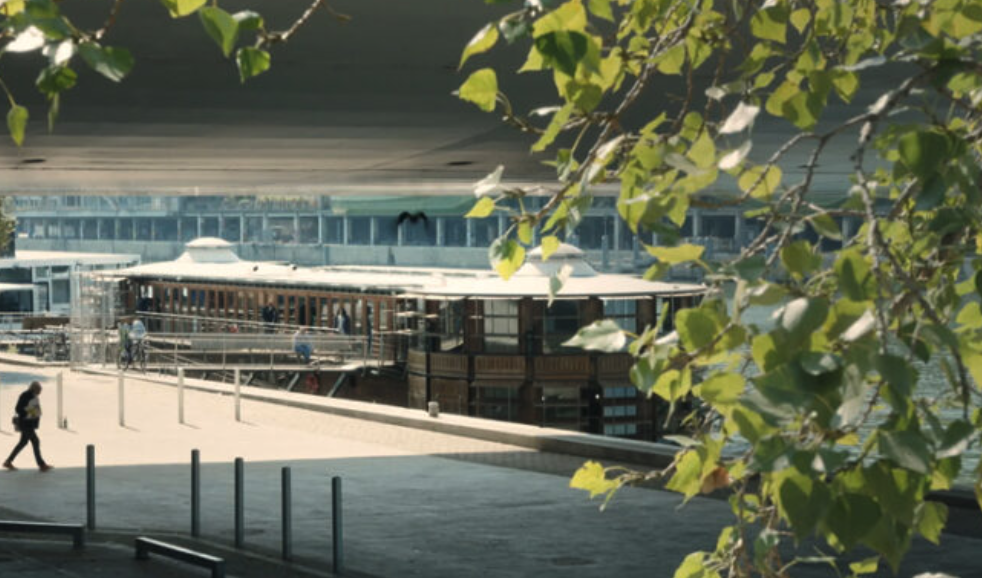
Screenshot Sur L’Adamant (2023)
NARRATING HEALTH AND ILLNESS: FRENCH AND FRANCOPHONE PERSPECTIVES
In the early 1960s, Michel Foucault published two works that revolutionized our understanding of medicine and psychiatry: History of Madness and The Birth of the Clinic, in which he developed the concept of the "medical gaze." Foucault was deeply influenced by the work of the physician Georges Canguilhem, who had redefined the notion of health and disease, challenging normative understandings of what it means to have a "healthy body." Since then, philosophers such as Gilles Deleuze and Frantz Fanon, and more recently Catherine Malabou and Françoise Vergès, have continued to interrogate how we define illness and wounds, as well as how we provide or fail to provide care in various settings and contexts, within and outside the clinic. Similarly, writers such as Marguerite Duras, Annie Ernaux, Hervé Guibert, Maylis de Kerangal, Véronique Tadjo, and Martin Winckler, as well as filmmakers Claire Denis, Alice Diop, and Nicolas Philibert have reimagined hospital spaces, mental illness, how doctors, institutions, and societies care for or police bodies, enforce medical norms, and pathologize behaviors, as well as how technologies, such as those in organ transplantation, inform care practices today. Through literary and theoretical texts and contemporary film, this course will explore theoretical and literary understandings of health and disease throughout the twentieth century. Topics will cover issues ranging from mental illness, reproductive health, organ transplants, physical disabilities, epidemics, to access to care.
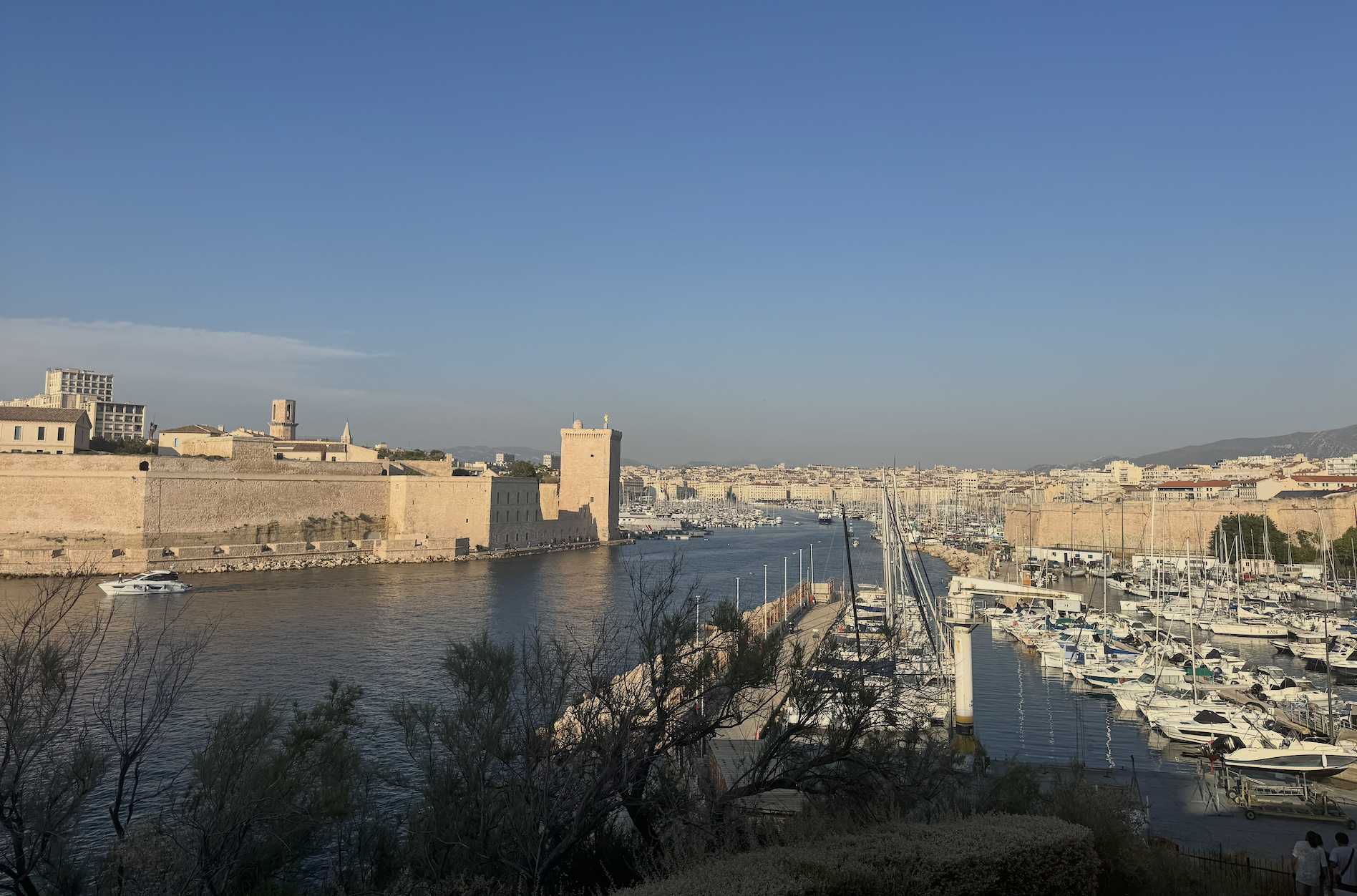
Marseille the wicked city
Marseille, one of the oldest ports in Europe and France’s second largest city, has attracted migrants, refugees, and travelers from around the world, bridging the Orient and the Occident over millennia from its inception as a Greek colony to the present day. From the national anthem La Marseillaise through Alexandre Dumas’s Le Comte de Monte Cristo to contemporary French rap and hip hop from groups such as IAM, Marseille has marked French culture as a powerful counterpoint to Paris, in part due to its historical role facilitating centuries of global commerce and exchange. Often emphasizing its cosmopolitan identity, Marseille has offered a home for writers in exile and a window onto France’s former colonies. Nicknamed the “wicked city,” Marseille has also been associated with organized crime, drugs, and the troubled banlieues of the Quartiers Nord. What does it mean to tell the story of France from Marseille as opposed to Paris, and how does this perspective complicate French notions of universalism and identity while foregrounding France’s colonial past? Has Marseille’s famed cosmopolitanism evolved through time, and does this representation still hold today? Finally, what might the literary imaginary of Marseille reveal about French culture and its relationship with the world today? To answer these questions, we will examine various texts, artworks, films, and music from Marseille spanning from the eighteenth to the twenty-first century by Charles de Brosses, Casanova, Émile Zola, Alphonse Daudet, Joseph Méry, Albert Londres, Paul Valéry, Marcel Pagnol, Albert Cohen, Françoise Ega, Ousmane Sembène, Maylis de Kerangal, and films by Jean Renoir, Robert Guédiguian, Jean-Bernard Marlin, and Cédric Jimenez. We will focus on three key moments: Marseille as a colonial port city; Marseille between the wars as a place of exile; and post-war Marseille, focusing on questions of migration, belonging, and the musical culture of the banlieue.
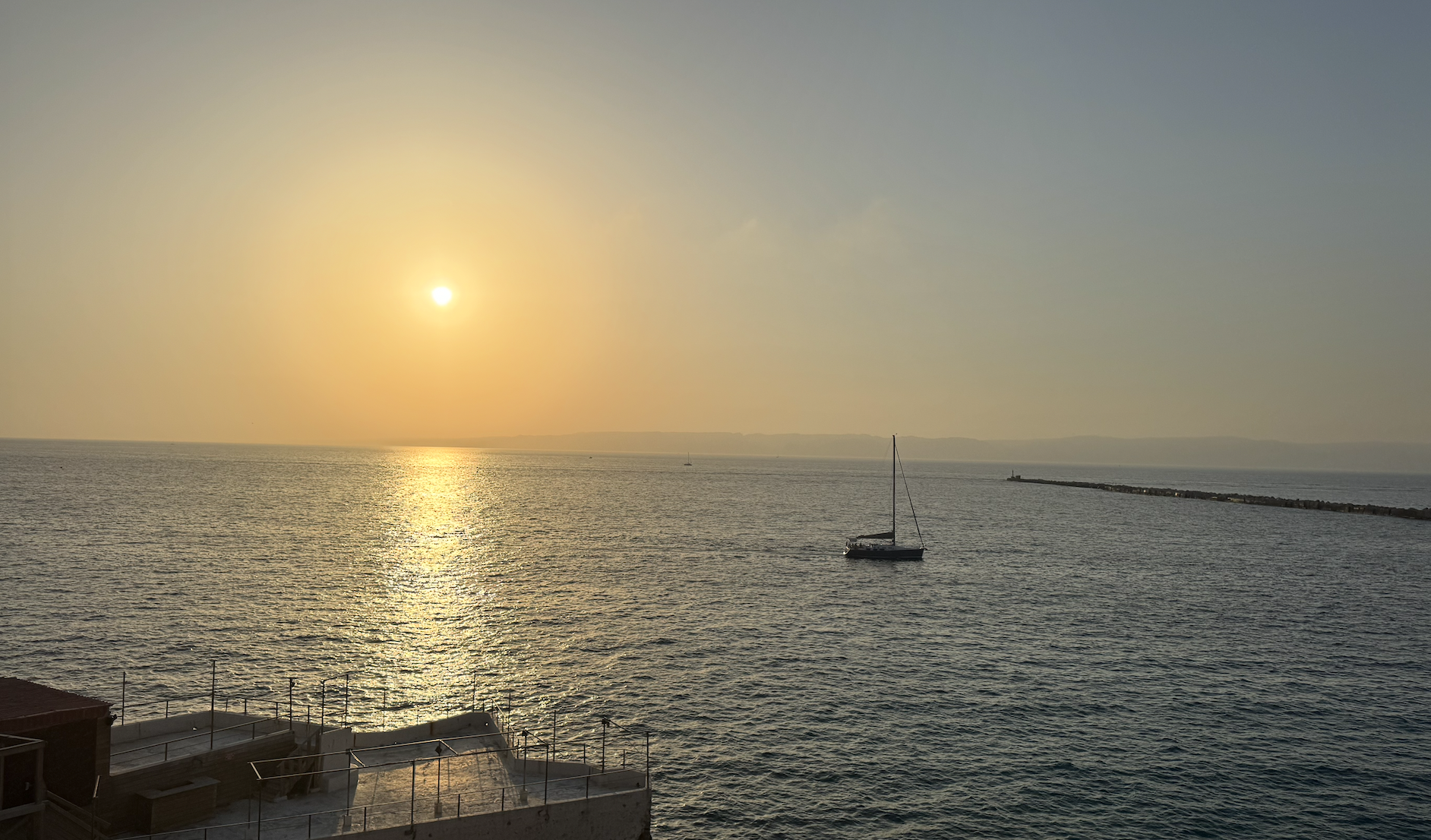
Francophone Mediterranean Cultures
This is an advanced course in French language designed to help you improve your speaking, comprehension, reading, and writing, through the dynamic study of short literary texts and films focusing on Francophone Mediterranean crossings and cultures in the twentieth and twenty-first-centuries. Through active discussion and debate, textual and cinematic analysis, grammatical review, and careful writing and revision, you will improve your command of spoken and written French, strengthen your ability to express complex ideas, expand your vocabulary, and deepen your understanding of French and Francophone fiction, film, and cultures. This is an ideal course to prepare for study abroad or for more advanced coursework in French and Francophone literature and cinema. As a focus for improving your French, we will examine a broad range of texts, comics, and films on Mediterranean cultures in France, Morocco, and Algeria with an emphasis on questions of utopias and hospitality, identity and displacement, and blue ecologies drawing on an ecocritical lens to view the sea as a site of environmental crisis. Works to include twentieth-century comics by Joann Sfar and texts by by Fernand Braudel, Paul Valéry, Gabriel Audisio, Albert Camus, Assia Djebar, Tahar Ben Jelloun and twenty-first-century texts and films by Maylis de Kerangal,Mahi Binebine, and Gianfranco Rosi.